Legal THCa Flower: Minimizing Your Risk
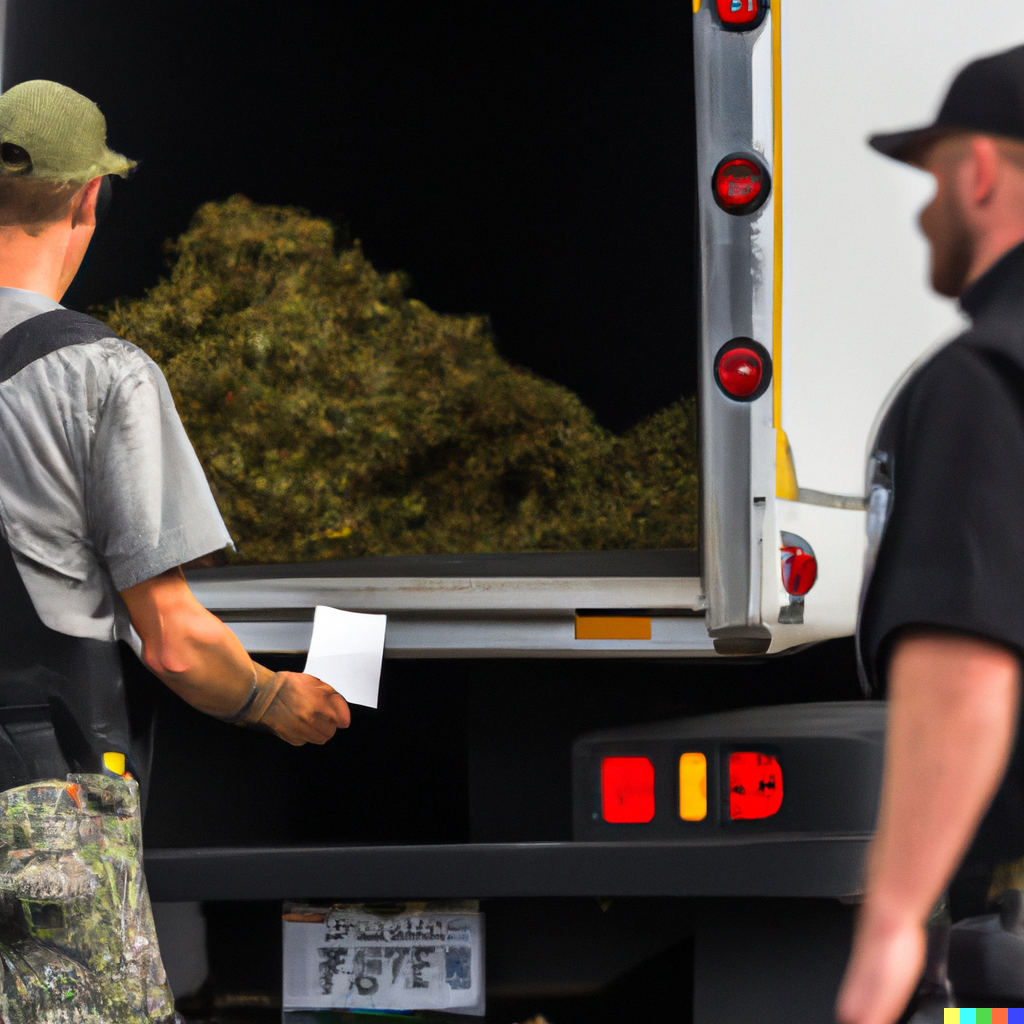
THCa hemp flower is rapidly reshaping the cannabis industry. Alongside hemp-derived beverages and other hemp products, it is expanding consumer access to cannabis in ways that seemed unlikely just a few years ago.
Thanks to the 2018 Farm Bill, hemp-derived cannabinoids like THCa exist in a federally legal framework, creating an alternative pathway to the state-regulated marijuana market. This has made products like legal THCa flower, including THCAa flower in Indiana and other states, increasingly available to consumers and businesses.
Because hemp is federally legal, hemp-derived products can also participate in the growing global cannabis economy, something federally illegal marijuana cannot do. As a result, many cannabis reform advocates are shifting their focus from “marijuana” to hemp as the future of cannabis policy and commercialization.
Despite its growing popularity, THCa hemp is still widely misunderstood, and the legal landscape remains complex. Possessing or distributing THCa products can carry risks depending on state interpretation and enforcement. In this article, I’ll explore those risks and share strategies to help businesses and consumers navigate them.
For more information on THCa, visit my blog on THCa hemp legal issues.
Legal THCa Flower: The Risks
There are two main risks with THCa hemp flower.
- State legality. Possessing or distributing THCa in states where it is illegal can create legal risk. This can be avoided by not selling or possessing THCa in those states. We also advise clients on the legal status of THCa and other hemp products under state law and maintain a 50-state hemp product spreadsheet available to clients for a flat fee.
- Law enforcement testing methods. When THCa hemp is seized or purchased undercover, crime labs often use decarboxylation testing methods like gas chromatography (GC). This converts THCa into delta-9 THC, leading authorities to claim the material is illegal marijuana rather than lawful hemp. However, as discussed in detail in my article on THCa and the DEA, post-decarboxylation testing is required only for pre-harvest hemp, not harvested material. Using it on harvested hemp effectively converts legal hemp into illegal marijuana, which can amount to evidence tampering. Because this issue is still widely misunderstood, seizures often result in lost inventory and sometimes criminal charges. The rest of the article discusses ways to reduce this risk.
Risk Mitigation Strategies for thca flowers
For Consumers–
- Do not smoke in the car or in public: Public consumption carries risk because many officers are unfamiliar with hemp laws. Incidents—like a violent arrest of a couple smoking a legal THCa preroll at a bus stop in Charlotte—show how misunderstandings can escalate even when the activity is lawful. Until THCa hemp is more widely understood, public use remains high-risk.
- Transport THCa hemp in the trunk of your car, preferably in a cool container: Keep THCa hemp in the trunk, ideally in a cool container. Because hemp and marijuana look and smell the same, visible cannabis or odor can lead to police searches or seizures. Keeping it out of sight and minimizing smell can reduce the chance of police encounters.
- Do not consent to a voluntary search: If police ask to search, it is usually best to say “no.” Officers may still search, but lack of consent can help challenge the evidence later if there was no probable cause. Since hemp and marijuana cannot be distinguished by sight, smell, or drug dogs, and field tests like the Duquenois-Levine test only detect THC presence, not concentration, these factors alone often do not establish probable cause.
- Always keep a copy of your receipt: Always retain proof of purchase. If questioned or arrested, a receipt helps show the product was bought legally rather than on the black market and can support your lawful intent.
For Businesses–
Create a chain of custody: Unlike regulated marijuana markets with systems like METRC, the hemp industry has limited tracking. To help prove THCa hemp is lawful, keep key documents: (1) the cultivator’s state or USDA hemp producer permit, (2) the state or USDA pre-harvest report showing the hemp passed the required post-decarboxylation test, and (3) a recent certificate of analysis (COA) confirming delta-9 THC is ≤0.3% by dry weight. These documents help establish the product is legal hemp.
For larger shipments, also keep a bill of lading and a transport manifest from your attorney, especially when shipping across state lines. Under 7 USC §1621 §10114(b), states cannot prohibit the interstate transport of hemp produced in compliance with federal law, so documentation proving licensed production and interstate transport can be critical if a shipment is seized.
Confirm that your COAs are real: Certificates of analysis (COAs) are sometimes altered, ranging from simple name changes for branding to falsifying cannabinoid percentages to make non-compliant products appear legal. To avoid this risk, confirm the COA directly with the testing laboratory. Including this verification step in a standard operating procedure (SOP) can also help demonstrate your intent to comply with the law.
Never voluntarily agree to a search: This is so important that I am reiterating it. (See above.) In every large hemp seizure I have dealt with recently, the driver consented to the search. Had the driver not consented, he would have been allowed to proceed on his way or, at a minimum, his criminal lawyer could have challenged the seizure based on lack of probable cause.
Only ship via USPS: I have been giving this advice for many years. The bottom line is that USPS needs probable cause to open a package (see above for more information about probable cause), but private carriers, including FedEx, UPS, and DHL, do not. If private carriers smell cannabis they will open the package and deliver it straight to local law enforcement, which will have it tested by a crime lab using a method that decarboxylates it. From there, law enforcement will retain the hemp and may even press charges. Additionally, USPS has a specific regulation regarding the mailability of hemp. USPS is not perfect, but it is a significantly better option than using private carriers.
Read more on why you should always ship hemp through the USPs.
Use a purchase/sale contract with the risk of loss in transit provision: This is the most overlooked way to mitigate the risk of loss with THCa hemp shipments. Any good contract involving the shipment of goods, whether the goods at issue are THCa hemp buds or running shoes, contains a “risk of loss” provision that spells out who bears the financial loss if the shipment is lost, damaged, or seized. Too often, I am contacted by someone whose THCa hemp was seized in transit but there is no contract which specifies who is financially responsible. This is easily corrected by having a solid contract.
The Conclusion
In conjunction with the rapidly emerging hemp beverage sector, the legal THCa hemp flower market may be the final straw that breaks the back of a century of regressive cannabis policy. That being said, THCa hemp is currently the most widely misunderstood and risky sector of the hemp industry. Using the above strategies will not reduce the risks, but they may help to reduce negative outcomes.
Feel free to contact us if you have questions about THCa hemp.
Note: We are a business and regulatory compliance law firm and do not practice criminal law; however, we routinely consult with criminal attorneys regarding the hemp-related legal issues their clients face.
December 30, 2023 (Updated March 8, 2026).

Rod Kight is an international cannabis lawyer. He represents businesses throughout the cannabis industry.
Additionally, Rod speaks at cannabis conferences, drafts and presents legislation to foreign governments, is regularly quoted on cannabis matters in the media, and is the editor of the Kight on Cannabis legal blog, which discusses legal issues affecting the cannabis industry.
You can contact him by clicking here.
Hemp flower continues to change and convert THCa into Delta 9 THC as the harvested flower goes through temperature changes and exposure to other variables.
It’s not stable so there is no way of knowing what the numbers would look like even if tested properly and the flower was 100% legal THCa dominant hemp flower.
Thanks for your comment, Gary. You are correct that THCa converts to delta-9 THC over time and with exposure to heat and light. This is an important point and further underscores my recommendation that only recent COAs should be considered.
Rod
Most 3rd party labs will not give information on a lab test unless it is the party who ordered the lab (and for good reason).
Therefore you cannot reliably call a lab to verify results without going up the chain of custody.
Reputable COAs should contain a QR Code that goes directly to a copy of the COA online. That allows anyone with a copy of the results to verify them without asking permission.
Andy- That is a great recommendation. I like QR codes for that very reason.
Rod
Thanks for your comment. I have never had difficulty with calling a lab, although being a lawyer may have some relevance. In this case, the purchaser should have the seller schedule a three-way call with the lab.
Rod
Minnesota is a total thc state. So it isn’t legal and would not pass a state test.
Regardless, many are selling it!
Jeff- Yes, it appears that THCa hemp flower is not currently lawful in MN. Also, as you report, it is being sold there as it is in most other states.
Rod
Rod,
Thank you and great information as usual. In regard to the pre harvest test, I can’t imaging that harvested cannabis, with any real potency of THCa, would pass a test for total THC 30 days prior to harvest. Therefore, “THCa Flower” would be very low in THCa, perhaps 1-2%. Most of the flower we are seeing now claims to be 15-30% THCa. This is likely “Marijuana” and consumers and resell shops relying on honest COA’s seem to be at pretty high risk. What are your thoughts?
Thanks for your comments. I understand the basis for your comment. That being said, the fact is that compliant THCa hemp can be grown, by which I mean hemp that passes the pre-harvest post-decarboxylation test and which has buds and flowers post-harvest with high levels of THCa and D9 that does not exceed 0.3%. It is difficult, to be sure, but doable. -Rod
This article highlights the unique risks associated with THCa hemp flower, especially with legal ambiguity and law enforcement’s lack of understanding. It’s essential to follow the advice on risk mitigation, like keeping THCa products out of public view and ensuring proper documentation for businesses. The legal landscape around THCa is still evolving, and awareness is key to avoiding issues. I hope that as education spreads, the risks decrease, and THCa can become more widely accepted without all the legal headaches!
Thank you for your comment and summary of the article. -Rod